
Your Cart is Empty


- Blowout Deals
- ON SALE
- Balls
- Bags
- Shoes
- Accessories
- Gift Cards
- Blog
- search
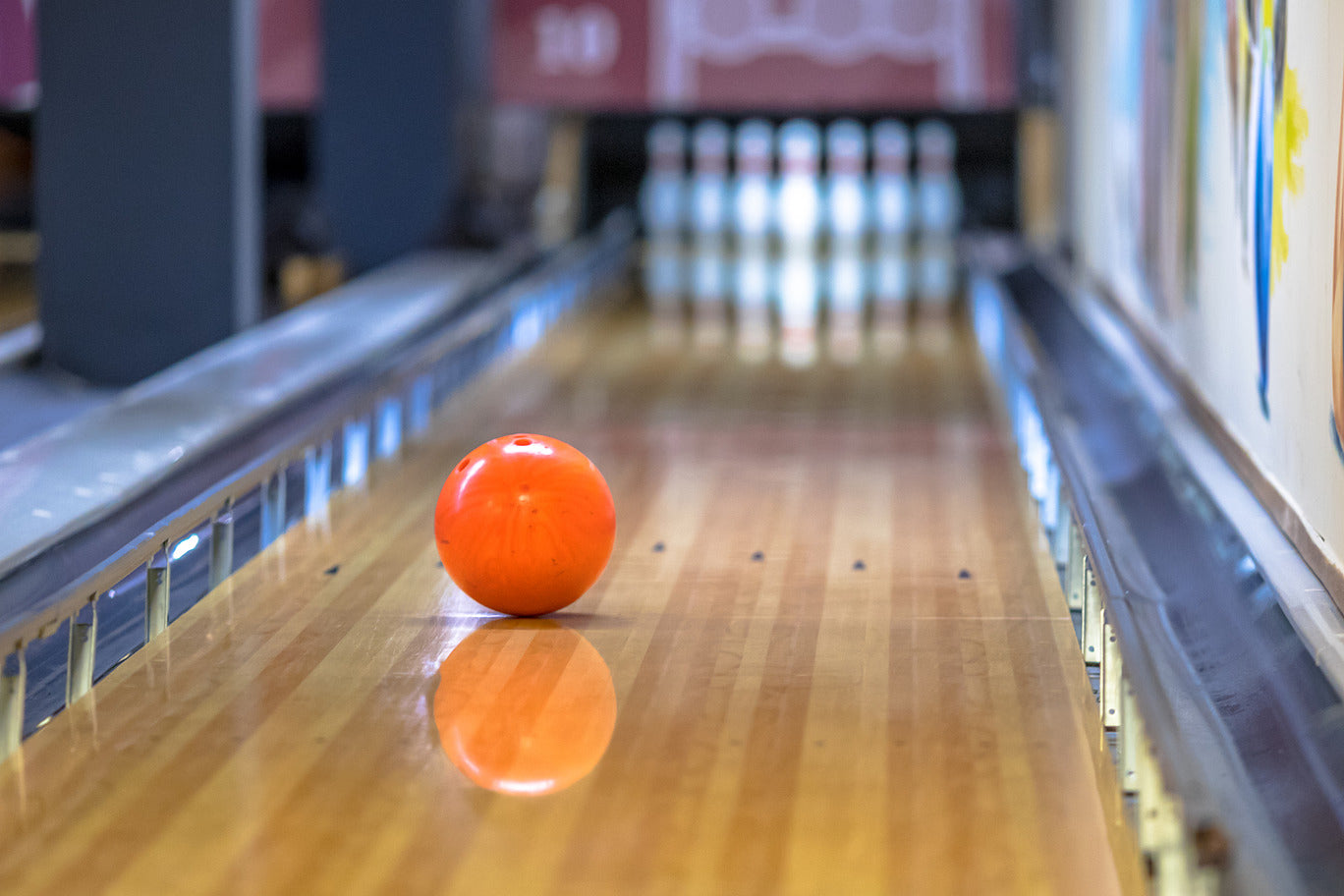

It can be humbling if your tried-and-true methods and gear suddenly seem “off.” The good news? It’s not in your head: there’s a good possibility your bowling lane has different oil patterns! The even better news? You’ve discovered more ways that bowling keeps even the most seasoned players on their toes.
Learning how to read oil patterns on bowling lanes is an art form that improves with familiarity, practice, and the aid of gear that helps you navigate your lane’s terrain. Here is our introduction to how to best read and adjust to different oil patterns, so that no matter what’s up your alley, your ball can meet it head-on.
The inconsistency across bowling alleys can be unnerving and even frustrating, especially to newer and less prepared players. However, differences in oil on bowling lanes is not only intentional, but an essential part of more competitive play, just like in other sports where each venue has its own “quirks” and each city has its own climate and other variables.
This is why many bowling alleys not only have different conditions, but many bowling lanes have creative oil patterns, including ones given names like "Scorpion" or “Wolf,” or even places like the Tower of Pisa and Pro Bowling Association winners like Earl Anthony. These patterns keep the game fresh and present new challenges to experienced players. We’re happy to say that even if you are new to bowling, you can also become an expert in reading oil patterns with a little practice!
There are many ways to identify bowling lane oil patterns, and here are a few tricks. It takes a little bit of applied physics, but even if you don’t love math or science experiences, these tricks will be sure to add even more success and fun to your next game.
There’s a reason why so many bowlers love to experiment with different kinds of bowling balls, and bring some for spares and other specific purposes. Just like in a science experiment, you have to keep to one variable (where you throw the ball), while keeping as many as you can as consistent as possible. By throwing the same ball to land at different points of the alley, you can better see which places on the lane are more and less slick based on how the ball reacts.
Believe it or not, many bowling lanes even have graphs to show the degrees of oiliness! Learning how to read these graphs and compare them to the arrows on the lanes can help take out some of the guesswork.
After that, use what bowlers refer to as the “rule of 31,” which means you subtract 31 from the length in feet of a lane’s oil pattern. 31 is the magic number that determines your ball’s breakpoint, or where your ball goes from its skid phase to its hook phase.

Once you’ve gotten familiar with where the oil is on your bowling lane, your technique and choice of gear come into play.
Your stance, speed, and velocity of throws are as important to the equation as lane conditions, which is why we cover them so in depth throughout our blog. For example, we cover what goes into two-handed bowling if you prefer that throwing method, as well as just how much goes into throwing a good hook. Ultimately, familiarizing yourself and building that literal muscle memory between you and your ball is what makes a good bowler get even better.
Investing in your own bowling ball is one of the key components to quickly adjusting to any bowling lane oil pattern, and it’s why competitive and pro bowlers amass whole arsenals of bowling balls designed for specific lane conditions. The general rule of thumb - no matter where you place yours - is that solid coverstock balls with asymmetrical cores do better in dry lanes, while pearl coverstock balls with symmetrical cores are excellent choices for slicker ones. Read our guide on how to pick your first bowling ball.
Similarly, the ability to adjust to oil on bowling lanes is a huge reason why bowlers opt to purchase their own bowling shoes. Not only are personal pairs more comfortable and better at preventing injury than unfamiliar, possibly misfitting rentals, but the ability to customize themselves to bowling lane oil patterns matters greatly. Finding the right shoe and accessories can make all the difference between a solid grip that lets you throw with confidence and literally slipping up.
Just as critical as investing in good bowling gear is keeping it that way! Just like shoe covers protect the integrity of a bowling shoe’s grip, see-saws, towels, and shammy pads are truly the unsung heroes of bowling, because they are what keep excess oil off and with that oil, the harmful debris that erodes a bowling ball’s surface. Storing your bowling balls in a well-fitted bowling ball bag is crucial for the same reason. Read more about how to keep your bowling balls in excellent condition.
At Bowlers Paradise, we are passionate about all things bowling. Whether it’s a young player trying it out for the first time or a veteran competitor who started as a curious kid, we have the gear and expert advice for every kind of player and every skill level. Make sure to sign up for our newsletter so you don’t miss out on the latest in bowling, rolling your way!

Comments will be approved before showing up.
