
Your Cart is Empty


- Blowout Deals
- ON SALE
- Balls
- Bags
- Shoes
- Accessories
- Gift Cards
- Blog
- search
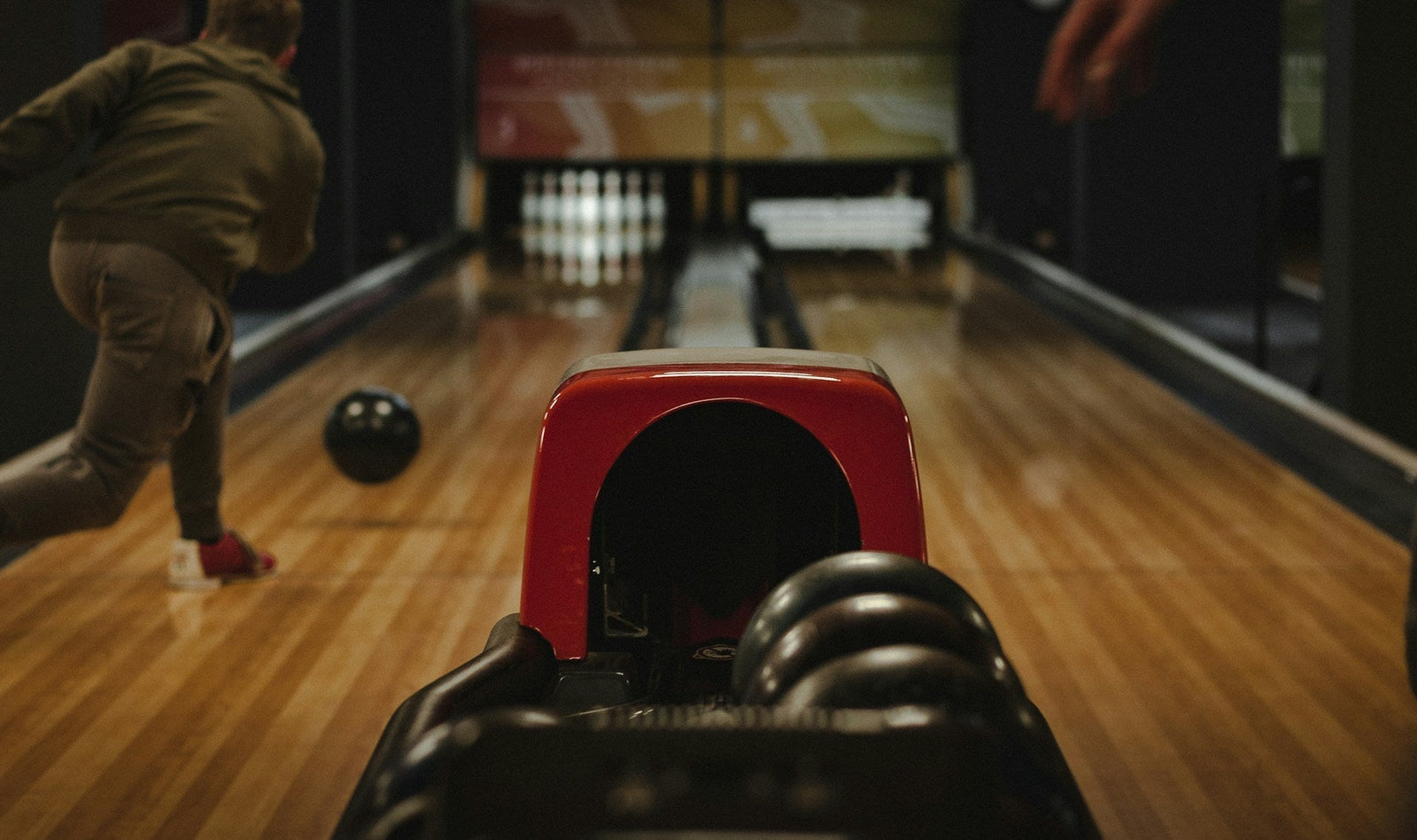

Bowling is a sport that throws a lot of curves! Like anything that requires skill and strategy, there’s a lot to familiarize yourself with, from absorbing the lingo to building that muscle memory.
Let’s break down one of the most essential aspects of different bowling techniques: bowling straight versus hooks, including when to use which type, how to throw them, and how to gear yourself up.
What does it mean to bowl straight, and what exactly is a bowling hook?
The simple answer is that there’s no one singular correct way to throw a bowling ball; just ask those who prefer throwing double-handed! Part of the most exciting and challenging aspects of bowling is knowing which different bowling techniques to use for whatever pins are waiting to be knocked over.
So, when is it best to bowl straight versus aiming for hooks? Let’s explore:
Bowling straight is, as it sounds, when you throw your bowling ball in a trajectory that makes the ball go in as straight a line as possible from the moment it leaves your hand to the moment it makes that symphony of sounds of pins crashing chaotically into place.
A well-executed straight throw is always crucial, including for veteran players who need to convert their spares into strikes by nabbing those singletons.
Bowling a hook means throwing your bowling ball so it goes in a (planned!) curve from start to finish. Hooks are a lot of fun to throw, and they are critical for any player who wants to up their score by hitting more pins in one shot. Hooks can also convert spares into strikes.
However, it’s better to bowl hooks when it would be nearly impossible to simultaneously hit with a straight throw.
Different bowling techniques require different stances, approaches, and mechanics to focus on, from head to heel and toe. Let’s roll through the basics of bowling straight versus hooks.
Ironically, bowling straight isn’t such a straightforward process: it takes precision, excellent hand-eye coordination, and a solid understanding of your own kinetic chain – that is, knowing how your body makes all those slight but speedy movements for accuracy and safety.
No matter which different bowling techniques you use, your grasp of lane conditions is as important as using grips! Read more here about how lane conditions make this a whole other ball game.

Being a straight shot might not always be so straightforward; hooking a ball is a worthwhile challenge. A lot goes into bowling hooks, but here are the must-knows:
Choosing when to throw bowling hooks versus straight throws is part of the journey for any bowler. Some of this knowledge comes with growing firsthand familiarity; in other words, as with everything, practice is key!
No matter if you prefer bowling straight versus bowling hooks, investing in high-quality gear is always important, including:
Bowlers Paradise is ready to help outfit you with all the gear, since we’ve been in the business of bringing the best of bowling to bowlers of all kinds since 1999!
We hope reading about different bowling techniques, such as straight versus hook throws, inspired you to start trying your hand (and feet). Keep up to date with the best insights and the latest releases from the world of bowling by signing up for our newsletter at Bowlers Paradise today, and stop by often to pin some awesome deals for all your bowling adventures!

Comments will be approved before showing up.
