
Your Cart is Empty


- Blowout Deals
- ON SALE
- Balls
- Bags
- Shoes
- Accessories
- Gift Cards
- Blog
- search
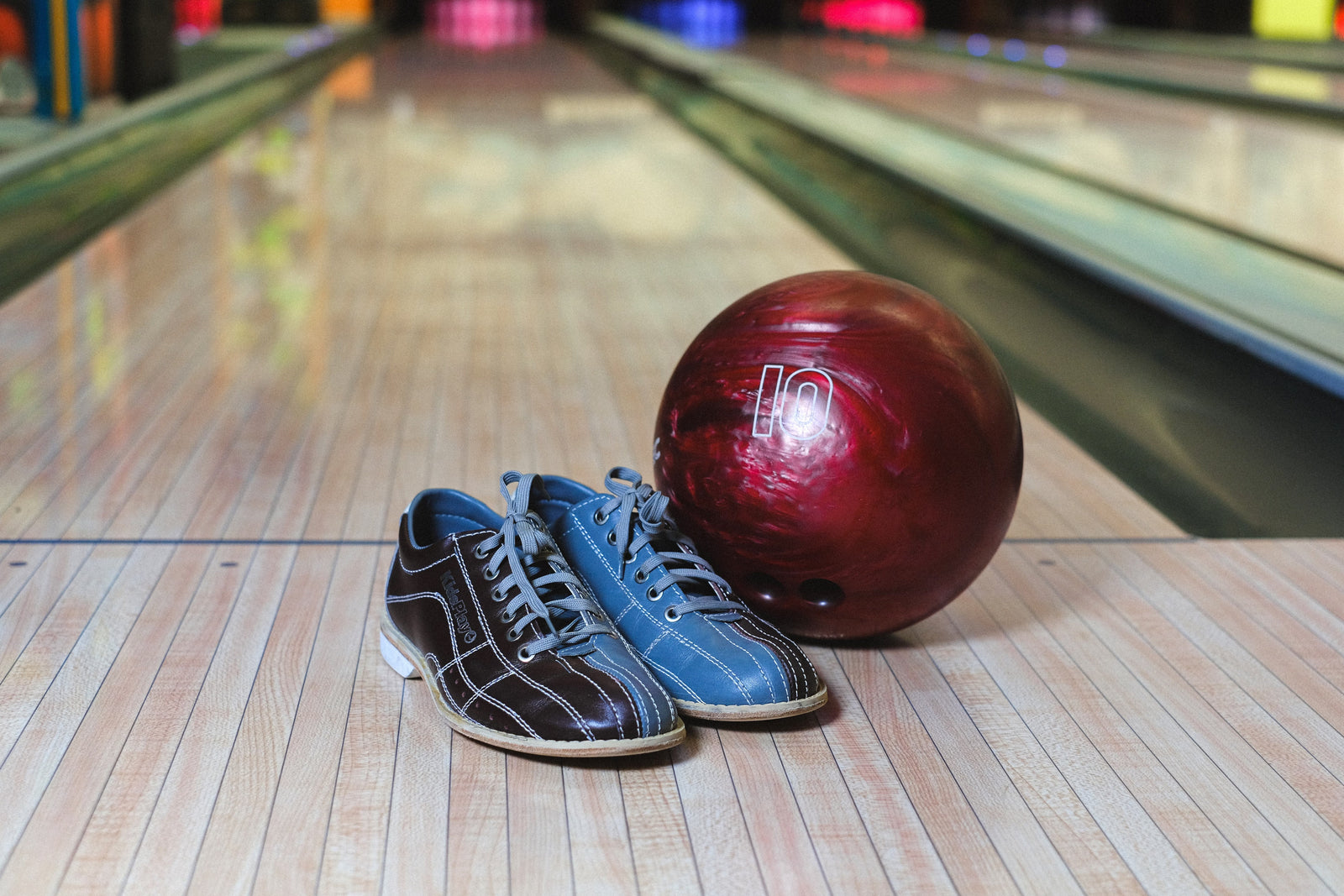

You slowly make your way toward a brand-new approach, ready to release the bowling ball from your fingers and turn the strike in your mind’s eye into a reality. Thanks to your interchangeable shoe soles, every step feels like power, comfort, and support all in one.
Interchangeable soles are among the most popular upgrades among tournament and league bowlers alike, as they promise adaptability, consistency, and control across varying approach conditions. Let’s explore why interchangeable soles can make a major difference — particularly for serious bowlers who need their footwork to be predictable from one game to the next.
Approach surfaces differ dramatically from one center to the next. Some feature new synthetics that allow you to slide freely, while others are made of older wood, which can feel tacky.
Interchangeable soles make it possible to keep the same speed and slide length (how far the sliding foot goes between the time you first touch the approach and the time you plant the foot in preparation to release the bowling ball) no matter where you bowl.
The consistency that interchangeable soles provide protects your timing, as you don’t have to spend several frames learning a given approach. You can instantly adjust and start off strong from the first frame.
The slide length affects when your bowling ball reaches its release point. Excessive slide delays your release, while not enough slide forces you to pull it downward early, putting strain on your back, wrist, elbow, and shoulder.
Interchangeable soles allow for fine-tuning your timing so that your swing remains repeatable and natural. When your soles work well with an approach, you can release your ball more predictably, resulting in greater consistency in how your ball travels down the bowling lane.

Bowlers have their own unique approach rhythms. You may glide toward an approach with fluid, long slides. Others, on the other hand, prefer controlled, short stops. Either way, interchangeable soles let you match your footwear to your natural movement rather than forcing your movement to match your shoe.
Bowlers who release their balls at high speeds (called power players) benefit from a lower-slide sole to keep from over-sliding. Those who rely on repeatability, precision, and smoothness rather than strength (often called finesse bowlers) should use a higher-slide sole to ensure smoother transitions. Classic bowlers relying on traditional releases and balanced motion (stroker bowlers) need a balanced sole that allows for moderate sliding and predictable braking.
Approach conditions morph throughout a given day. Humidity may make an approach tacky, and cold temps may make it feel slick. Even having hundreds of people at an approach at one time may alter your slide behavior. Interchangeable soles allow you to adapt to small changes without having to alter your technique.
You can switch to #6 soles from #8 soles when humidity increases, or you can choose tackier heels when your approach seems erratic. Some bowlers use high-slide soles early on, then switch to medium-slide soles later for better results. The more aware you are of environmental lane changes, the more valuable interchangeable soles become to you.
While soles control the slide, heels control the stop. Combining the right soles and heels helps create the perfect braking system to match your bowling style, ultimately preventing a slip, fall, or off-balance release that can ruin your shot.
A tacky heel paired with the proper sole can improve stability by enabling quicker stops. Smooth heels are the perfect choice if you prefer softer transitions due to longer stops. Choose a hybrid heel for controlled braking in mixed conditions.
An inappropriate slide may cause lower back, hip, or knee strain. If you try to compensate for a slide that is unpredictable, you might plant your foot too aggressively or twist awkwardly. Interchangeable soles support natural movement, decreasing fatigue and lessening your chances of developing chronic injuries.
|
Feature |
Interchangeable Sole |
Fixed Sole |
|
Ability to control the slide |
Adjustable (several sole materials/numbers available) |
Permanent (can’t be changed) |
|
Adaptability |
High (soles match all approach conditions) |
Low (you must adapt your technique instead) |
|
Consistency in timing |
Strong (you can maintain your desired slide feel) |
Variable (timing depends on a bowling center’s conditions) |
|
Ability to customize the heel |
Yes (many heel options available) |
No (heels are fixed) |
|
Cost of maintenance |
Moderate (cost of replacement soles) |
Low (no extra components) |
|
Perfect for |
Frequent, tournament, and league bowlers |
Casual and occasional bowlers |
|
Preventing injury |
Strong (keeps you from compensating for a bad slide) |
Moderate (based on approach condition) |
|
Learning curve involved |
Requires some experimentation |
None |
At Bowlers Paradise, we’re your go-to source for Elite bowling balls, bowling shoes, and more. Shop today!
Interchangeable sole systems usually use numbers, with higher numbers indicating more slide. Start with a #7 or #6 sole since it will give you the balanced slide you need for more approaches. You can then adjust your natural footwork and move up a number if you stop too soon, or down a number if you slide for too long.
An interchangeable sole won’t wear out more quickly, but wear looks different from one interchangeable sole to the next. High-slide soles used only on slick approaches may last longer than medium-slide soles used every week. Soles generally last between six and 18 months based on how frequently you plan and your approach conditions.
Absolutely! Even a weekly bowler can encounter changing bowling approach conditions, particularly in alleys with a lot of foot traffic. Maintaining consistent timing each week is critical for any bowler who doesn’t practice often.

Comments will be approved before showing up.
